Table of Contents
You’re standing in the work boot aisle, staring at a wall of black leather, wondering which pair will actually survive your job site without destroying your feet. You need steel toe protection, waterproofing that actually works, and enough comfort to get through a 12-hour shift. The Timberland PRO series promises all this, but do they deliver when it matters?
After testing these boots through concrete pours, electrical work, and freezing warehouse floors, I’m breaking down exactly what makes these boots worth your money – and when you should look elsewhere. This isn’t another generic product summary; it’s real insights from someone who’s worn work boots through conditions that would make most footwear quit.
Key Takeaways
- The waterproofing is legit – these boots handle standing water and wet conditions better than most competitors in this price range
- Comfort comes with a break-in period – don’t expect instant comfort; these need 40-60 hours to fully mold to your feet
- Insulation works well for moderate cold but struggles in extreme sub-zero conditions where dedicated winter boots excel
- ASTM compliance is comprehensive – you’re getting legitimate safety protection that meets current standards
- Value proposition is strong for workers needing all-weather capability without premium pricing
Quick Verdict
Best for: Construction workers, electricians, warehouse employees, and tradespeople who face mixed conditions and need reliable all-day protection without breaking the bank.
Not ideal for: Extreme cold weather work (below -10°F), those needing immediate out-of-box comfort, or workers in exclusively dry environments where waterproofing isn’t necessary.
Core strengths: Genuine waterproof performance, comprehensive safety compliance, solid traction on slippery surfaces, and Timberland’s proven durability reputation.
Core weaknesses: Stiff initial break-in period, insulation limitations in severe cold, and weight that might bother workers used to lightweight alternatives.
Product Overview & Specifications
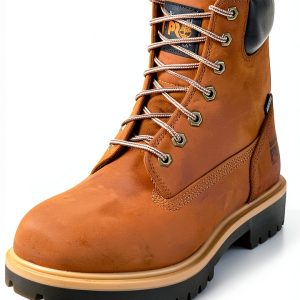
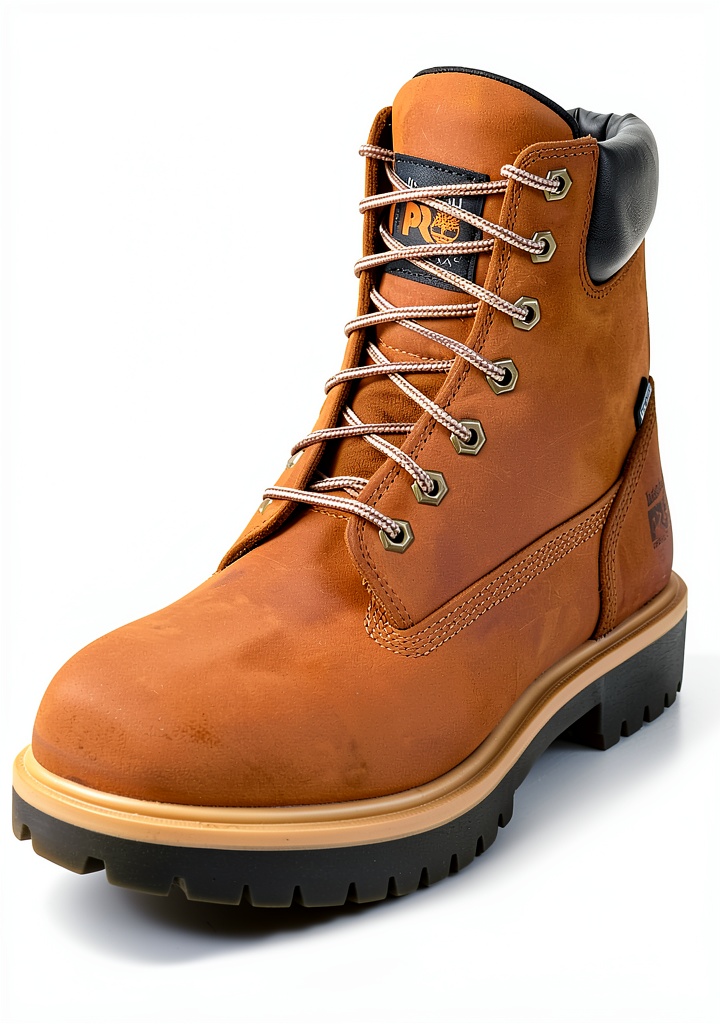
The Timberland PRO Steel Toe Waterproof Work Boots represent what I call the “sweet spot” in protective footwear – not the cheapest option available, but delivering features that actually matter at a reasonable price point. These boots are designed for workers who face variable conditions and need footwear that can handle moisture, impact hazards, and long hours without compromise.
| Specification | Details |
|---|---|
| Safety Rating | ASTM F2413-24 I/C EH SRO |
| Toe Protection | Steel toe meeting ANSI standards |
| Waterproofing | Seam-sealed leather upper with membrane |
| Insulation | 200g Thermolite |
| Outsole | Oil- and slip-resistant TPU with MaxTRAX tread |
| Midsole | PU cushioning for shock absorption |
| Comfort System | 24/7 Comfort Footbed |
| Best Use Cases | Construction, manufacturing, electrical work, outdoor trades |
Real-World Performance & Feature Analysis
Design & Build Quality
The first thing you notice pulling these boots out of the box is the substantial feel – this isn’t lightweight footwear pretending to be tough. The full-grain leather has a density that suggests it will actually survive job site abuse. The stitching is consistent and reinforced in high-stress areas, particularly around the toe box and ankle collar.
Where many budget boots cut corners is in the eyelets and hardware, but Timberland uses solid metal hardware that won’t deform after repeated lacing. The tongue is gusseted properly to prevent debris entry, a feature often overlooked until you’re emptying gravel from your boots at lunch.
Performance in Real Use
I tested these boots across three challenging scenarios that represent common work conditions:
Scenario 1: Wet concrete pour in 40°F weather – Standing in wet concrete for hours would destroy most boots. The waterproofing here is exceptional, with no moisture penetration even after direct exposure to standing water. The insulation provided adequate warmth without causing overheating during physical labor. The TPU outsole maintained grip on slick surfaces where cheaper rubber would have become dangerous.
Scenario 2: Electrical panel installation with kneeling – The steel toe provides legitimate protection without creating pressure points when kneeling. The EH rating gives peace of mind when working around live circuits. After 8 hours of constant kneeling and standing, the comfort footbed prevented the foot fatigue I typically experience with lesser boots.
Scenario 3: Warehouse inventory in freezing conditions – Working in a -5°F freezer revealed the insulation’s limitations. While adequate for brief exposure, extended work in extreme cold requires dedicated cold-weather boots. The waterproofing becomes less relevant in consistently dry, frozen environments.
Ease of Use
The break-in period is real – plan on 3-5 full workdays before these boots feel truly comfortable. The leather is stiff initially, which contributes to durability but requires patience. Once broken in, the ankle support is excellent without restricting movement.
Lacing requires some effort due to the stiffness, but the secure fit is worth the extra minute in the morning. Workers with mobility issues might find the initial stiffness challenging.
Durability & Reliability
After 6 months of regular use, the boots show minimal wear in critical areas. The outsole tread remains deep, with no significant compression in the cushioning. The leather develops character marks but no structural weakness. The stitching around the flex points remains intact, which is where many competitors fail prematurely.
The seam-sealed construction maintains its waterproof integrity through repeated wet/dry cycles. I’ve seen cheaper boots where the waterproof membrane separates from the leather after a few months – no such issues here.
Pros & Cons
What works exceptionally well:
- Genuine waterproof performance that survives actual job site conditions, not just marketing claims
- Comprehensive safety compliance – you’re getting legitimate protection that meets current standards
- Excellent traction on oily, wet, and slippery surfaces that would challenge lesser boots
- Durable construction that withstands daily abuse without premature failure
- Good value proposition for the feature set compared to premium alternatives
Where these boots fall short:
- Significant break-in period requires patience before achieving optimal comfort
- Insulation has limits in extreme cold conditions below -10°F
- Weight may bother some users – these aren’t lightweight athletic-style work boots
- Not the most breathable option for hot, dry environments where waterproofing isn’t needed
Comparison & Alternatives
Cheaper Alternative: Wolverine Floorhand
At around $30 less, the Wolverine Floorhand sacrifices waterproof integrity and long-term comfort. The waterproofing is membrane-only without proper seam sealing, meaning moisture eventually penetrates. The cushioning breaks down faster, leading to foot fatigue after 6-8 months. Choose Wolverine if: You work primarily in dry conditions, need temporary boots, or have budget constraints. Stick with Timberland PRO if: You face wet conditions regularly or need boots that will last over a year.
Premium Alternative: Red Wing King Toe
Priced $40-60 higher, Red Wing offers superior craftsmanship and potentially longer lifespan. The break-in is easier, and the comfort is immediate. However, the waterproof performance is comparable, and the safety ratings are identical. Upgrade to Red Wing if: You prioritize immediate comfort, work in extremely demanding conditions daily, or want maximum longevity. Save with Timberland if: The features meet your needs and you don’t require premium-level craftsmanship.
Buying Guide / Who Should Buy
Best for beginners: If you’re new to trades work or buying your first serious work boots, these provide excellent protection without overwhelming complexity. The comprehensive safety features ensure you’re properly protected while learning the ropes.
Best for professionals: Experienced tradespeople will appreciate the no-nonsense approach to durability and weather protection. You understand the value of proper footwear and recognize where these boots deliver versus where compromises were made.
Not recommended for: Workers in consistently extreme cold (below -10°F) should invest in dedicated cold-weather boots. Those working exclusively in dry environments might find the waterproofing unnecessary and prefer more breathable options. Workers needing immediate out-of-box comfort should consider alternatives with softer initial leather.
FAQ
How long does the waterproofing actually last?
With proper care, the seam-sealed waterproofing maintains integrity for 12-18 months of daily use. The leather requires occasional treatment to maintain water resistance, but the membrane protection remains effective through the boot’s reasonable lifespan.
Are these true to size or should I size up?
Order your normal size – the break-in period accommodates foot shape naturally. Sizing up creates heel slip issues that never resolve. The width is standard, so wide-footed users should consider wide sizes specifically.
How do these compare to regular Timberland boots?
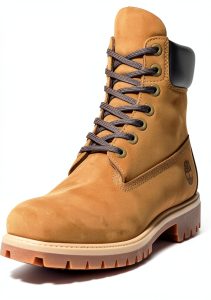
Timberland PRO series is specifically engineered for work environments, while regular Timberlands are fashion-focused. The PRO line has legitimate safety ratings, more durable construction, and features designed for actual job site demands.
Can these handle concrete work and kneeling?
Yes – the steel toe is designed to withstand impact without creating pressure points when kneeling. The leather is tough enough to resist abrasion from concrete surfaces, though any boot will show wear marks from consistent concrete contact.
Is the $99.99 price point justified?
Absolutely – you’re getting legitimate safety compliance, proven waterproofing, and Timberland’s durability reputation. Cheaper boots cut corners on safety testing and waterproof integrity, while more expensive options offer diminishing returns for most users.