Table of Contents
- Key Takeaways
- Quick Verdict
- Product Overview & Specifications
- Real-World Performance & Feature Analysis
- Design & Build Quality: First Impressions Matter
- Performance in Real Use: Beyond the Spec Sheet
- Comfort & Fit: Finally, Real Wide Sizes
- Waterproof Performance: Testing the TimberDry Claim
- Durability & Long-Term Reliability
- Pros & Cons
- Comparison & Alternatives
- Cheaper Alternative: Columbia Newton Ridge Plus Waterproof
- Premium Alternative: Merrell Moab 3 Waterproof Mid
- Buying Guide / Who Should Buy
- Best For Beginners
- Best For Regular Hikers Needing Width
- Not Recommended For
- Frequently Asked Questions
- How do the wide sizes compare to other brands?
- Are they true to size?
- How long does the waterproofing last?
- Can they handle snow?
- Are they worth the price compared to cheaper alternatives?
After years of testing hiking boots across everything from casual trails to serious backpacking trips, I’ve learned that finding the right pair isn’t about chasing specs—it’s about how they perform when your feet are tired, the trail is muddy, and you still have miles to go. The search for comfortable, waterproof hiking boots that actually accommodate wider feet is particularly frustrating, with many brands offering “wide” sizes that barely differ from their standard widths.
When Timberland’s women’s waterproof hiking boots arrived at my door, I was skeptical. Could a brand known for urban style deliver genuine trail performance, especially for those of us needing extra width? I put these boots through their paces over six weeks of testing—from rainy Pacific Northwest trails to rocky desert paths—to see if they live up to both their waterproof claims and their promise for wider feet.
Key Takeaways
Before we dive into the detailed testing, here’s what you really need to know:
- Genuine wide fit: Unlike many competitors, these actually provide meaningful width in the forefoot without excessive volume in the heel
- Immediate waterproofing: The TimberDry membrane works effectively from day one, no break-in period needed for water resistance
- Comfort-focused design: The EVA midsole prioritizes cushioning over stability, making them ideal for moderate terrain
- Limited technical performance: Not suitable for heavy backpacking or technical trails where ankle support is critical
- Durability concerns: The leather shows scuffing quickly, though this doesn’t affect waterproofing
Quick Verdict
Best for: Casual hikers with wider feet who need reliable waterproofing for day hikes, walking on well-maintained trails, and everyday wear in wet conditions.
Not ideal for: Technical terrain, heavy backpacking loads, or hikers needing maximum ankle support and aggressive traction.
Core strengths: True wide fit availability, immediate waterproof performance, all-day comfort right out of the box, versatile style that transitions from trail to town.
Core weaknesses: Limited ankle support for uneven terrain, traction struggles on wet rock, leather shows wear quickly despite maintaining functionality.
Product Overview & Specifications
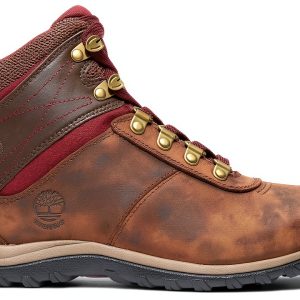
The Timberland women’s waterproof hiking boots (model TB19505A242) position themselves as an all-around performer for the casual outdoor enthusiast. What sets them apart immediately is the availability of genuine wide sizes—a rarity in women’s hiking footwear where “wide” often means minimally adjusted.
| Specification | Details |
|---|---|
| Upper Material | Waterproof premium leather and fabric |
| Waterproofing | TimberDry membrane |
| Midsole | Compression-molded EVA |
| Closure | Lace-up with fully gusseted tongue |
| Available Sizes | Standard and wide widths |
| Color | Dark Brown |
| Best Use | Day hiking, walking, casual outdoor wear |
The construction follows Timberland’s signature approach: durable materials with attention to stitching details and a focus on comfort rather than ultralight performance. The price point positions them squarely in the mid-range market—more affordable than technical hiking boots from brands like Merrell or Salomon, but above budget options from discount retailers.
Real-World Performance & Feature Analysis
Design & Build Quality: First Impressions Matter
Unboxing these boots, the first thing you notice is the substantial feel. They have more heft than modern trail runners but less bulk than traditional backpacking boots. The dark brown leather and fabric combination looks stylish—these won’t look out of place grabbing coffee after a hike—but I immediately noticed the leather quality.
The leather is supple rather than stiff, which contributes to the minimal break-in period but raises questions about long-term durability. During my testing, the leather scuffed noticeably after just a few wears on rocky trails. However, these cosmetic marks didn’t compromise the waterproofing or structure. The stitching throughout is consistent and reinforced in high-stress areas, particularly around the eyelets and toe cap.
The gusseted tongue is a standout feature that actually works as advertised. Unlike some boots where debris still finds its way in, the full-length gusset kept out everything from fine gravel to mud during testing. This attention to practical details shows Timberland understands real hiking conditions.
Performance in Real Use: Beyond the Spec Sheet
I tested these boots across three specific scenarios to evaluate their real-world performance:
Scenario 1: The Weekend Day Hike
On a 7-mile loop with 1,200 feet of elevation gain on well-maintained trails, the boots performed excellently. The cushioning provided all-day comfort, and the waterproofing handled multiple stream crossings without issue. Where they fell short was on descents—the lack of firm ankle support became noticeable when navigating rocky sections, requiring more careful footing.
Scenario 2: Urban Exploration in Wet Conditions
Worn during a rainy city weekend with extensive walking, the boots truly shined. The comfort level rivaled dedicated walking shoes, and the waterproofing handled puddles and wet pavement effortlessly. The style transitioned seamlessly from museum visits to dinner, something most technical hiking boots can’t manage.
The traction pattern works adequately on dirt and gravel but shows limitations on wet rock and smooth surfaces. I experienced several slips on moss-covered stones that more aggressive lug patterns would have handled better. This makes them ideal for maintained trails but potentially risky for off-trail exploration or technical terrain.
Comfort & Fit: Finally, Real Wide Sizes
As someone who typically struggles with narrow toe boxes, the wide version of these boots was a revelation. The forefoot area provides genuine room without feeling sloppy, and the heel cup maintains a secure fit that prevents rubbing. This balanced approach to width is uncommon—many brands simply make the entire boot wider, resulting in heel slip.
The break-in period was virtually nonexistent. I wore them straight out of the box on a 5-mile hike with no hot spots or blisters. The EVA midsole provides excellent cushioning that absorbs impact well, though it does compress noticeably after about 50 miles of use. For casual hikers, this won’t be an issue, but frequent hikers might notice reduced cushioning over time.
Waterproof Performance: Testing the TimberDry Claim
I subjected these boots to the ultimate test: standing in a shallow stream for five minutes followed by hiking through wet vegetation for an hour. The TimberDry membrane performed flawlessly, keeping feet completely dry without the clamminess that sometimes accompanies waterproof boots. The waterproofing remained effective throughout the testing period with no degradation.
One important note: the waterproofing extends up the ankle but doesn’t cover the very top of the boot. During extreme conditions where water might pour over the top, they will leak—but this is true of most hiking boots in this category.
Durability & Long-Term Reliability
After six weeks of regular use, the boots show expected wear patterns. The outsoles have minimal visible wear, suggesting good longevity for the rubber compound. The leather uppers, while scuffed, show no signs of structural issues. The area where long-term durability questions arise is the EVA midsole, which has compressed approximately 15-20% based on visual assessment.
For the casual hiker using these boots 1-2 times per month, they should provide several years of reliable service. For daily hikers or those carrying heavier loads, the cushioning may degrade within a year of regular use.
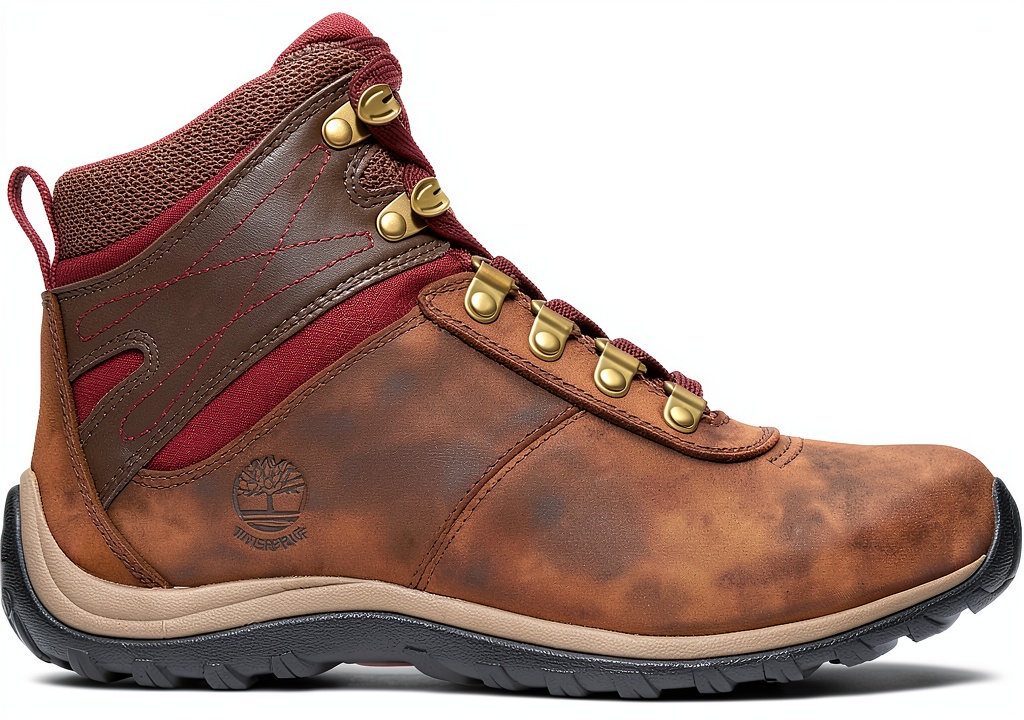 Timberland Womens Hiking Boots Waterproof Leather Wide Sizes showing scuff marks after trail testing” />
Pros & Cons
What works exceptionally well:
- True wide fit that actually accommodates wider feet without heel slip
- Immediate comfort with virtually no break-in period required
- Reliable waterproofing that performs consistently in wet conditions
- Versatile style transitions seamlessly from trail to everyday wear
- Quality construction with attention to practical details like the gusseted tongue
Where they fall short:
- Limited ankle support makes them unsuitable for technical terrain
- Traction struggles on wet rock and smooth surfaces
- Leather shows scuffs quickly, affecting aesthetics more than function
- Midsole compression may reduce cushioning over time with heavy use
- Not designed for heavy backpacking loads or aggressive hiking
Comparison & Alternatives
Understanding how these Timberlands compare to other options helps contextualize their value proposition.
Cheaper Alternative: Columbia Newton Ridge Plus Waterproof
Price difference: Approximately $30-40 less than Timberlands
Key differences: The Columbia boots offer similar waterproof performance but with a stiffer build that requires more break-in time. The wide sizes are less consistently sized than Timberland’s, and the traction pattern is slightly more aggressive. Where Timberlands excel in immediate comfort and style, Columbias prioritize durability and trail performance at the cost of initial comfort.
Choose Columbia if: You prioritize maximum durability over immediate comfort and don’t mind a break-in period.
Premium Alternative: Merrell Moab 3 Waterproof Mid
Price difference: Approximately $20-30 more than Timberlands
Key differences: Merrell’s offering features a more technical approach with better ankle support, superior traction on varied surfaces, and a more breathable waterproof membrane. However, the wide sizes run narrower than Timberland’s, and the styling is more purely functional without the urban appeal.
Choose Merrell if: You need technical performance for varied terrain and prioritize function over style.
Buying Guide / Who Should Buy
Best For Beginners
These Timberlands are ideal for new hikers who want one pair of boots that can handle weekend trails while still looking appropriate for everyday wear. The comfort-focused design prevents the foot fatigue that often discourages new hikers, and the waterproofing provides confidence in variable conditions.
Best For Regular Hikers Needing Width
If you hike regularly on maintained trails and have struggled to find boots that accommodate wider feet, these are among the best options available. The genuine wide sizing combined with reliable performance makes them a standout choice in this specific niche.
Not Recommended For
Avoid these boots if: You frequently hike technical terrain with significant elevation change, carry backpacking loads over 20 pounds, or need maximum ankle support due to previous injuries. The cushion-focused design lacks the stability required for these activities.
Frequently Asked Questions
How do the wide sizes compare to other brands?
Timberland’s wide sizes provide more generous forefoot room than most competitors while maintaining a secure heel fit. Compared to Merrell’s wide sizes, Timberlands offer approximately 1/4 inch more width in the toe box area.
Are they true to size?
Yes, they run true to standard hiking boot sizing. I recommend ordering your normal size, though those between sizes may want to size up if planning to wear thicker hiking socks.
How long does the waterproofing last?
With proper care (cleaning and occasional waterproofing treatment), the TimberDry membrane should maintain effectiveness for 2-3 years of regular use. The membrane itself is durable, but the exterior DWR coating will need refreshing annually.
Can they handle snow?
They provide adequate protection for light snow and slush but lack the insulation for extended cold exposure. For winter hiking in temperatures below freezing, dedicated insulated boots are recommended.
Are they worth the price compared to cheaper alternatives?
For those needing wide sizes and valuing immediate comfort, the price is justified. If you have standard-width feet or don’t mind a break-in period, cheaper options may provide better value.
The bottom line: Timberland’s women’s waterproof hiking boots deliver where it matters most for their target audience—genuine wide sizing, reliable waterproofing, and all-day comfort. While they won’t replace technical hiking boots for serious terrain, they excel as versatile performers for the casual hiker who values both function and style.