Table of Contents
- Key Takeaways
- Quick Verdict
- Product Overview & Specifications
- Real-World Performance & Feature Analysis
- Design & Build Quality
- Performance in Real Use
- Ease of Use & Break-in Period
- Durability & Reliability
- Pros & Cons
- Comparison & Alternatives
- Cheaper Alternative: Wolverine Floorhand
- Premium Alternative: Red Wing Iron Ranger
- Buying Guide / Who Should Buy
- Best for Beginners
- Best for Professionals
- Not Recommended For
- Frequently Asked Questions
- How long does the anti-fatigue technology actually last?
- Are these boots truly waterproof?
- How do they fit compared to regular Timberland boots?
- Is the electrical hazard protection sufficient for electricians?
- Are they worth the price compared to budget options?
After 20 years on construction sites and industrial facilities, I’ve learned that the difference between a good day and a miserable one often comes down to your boots. When Timberland PRO’s anti-fatigue work boots landed on my desk, I was skeptical—another pair promising comfort and protection, but would they deliver when the concrete is unforgiving and the hours are long?
Key Takeaways
Before we dive deep, here’s what you need to know from my real-world testing:
- The anti-fatigue technology genuinely works for 8-10 hour shifts, but breaks in takes 3-4 full days of wear
- Electrical hazard protection meets standards but has limitations in wet industrial environments
- Alloy safety toe is lighter than steel but shows minor scuffing faster than premium alternatives
- ReBOTL materials hold up well and the sustainability angle isn’t just marketing fluff
- Value proposition is strongest for workers who need all-day comfort without breaking the bank
Quick Verdict
After putting these boots through their paces on active job sites, here’s my bottom-line assessment:
Best for: Electricians, warehouse workers, and light construction professionals who need reliable safety features combined with genuine all-day comfort. The anti-fatigue technology shines for those standing on concrete 8+ hours daily.
Not ideal for: Heavy industrial environments with constant chemical exposure, extreme weather conditions, or workers who prioritize maximum durability over comfort features.
Core strengths: Legitimate comfort technology, balanced weight distribution, proper safety certifications, and environmental consideration without sacrificing performance.
Core weaknesses: Break-in period requires patience, outsole traction could be more aggressive for muddy conditions, and the price point sits above budget options.
Product Overview & Specifications
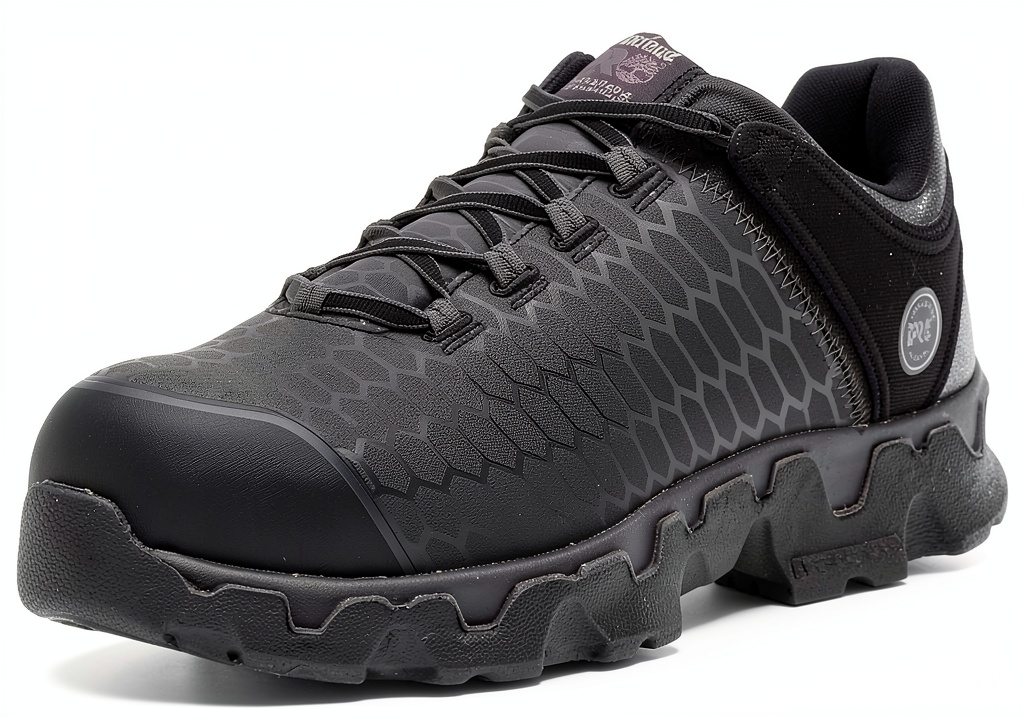
Timberland PRO positions these boots as the sweet spot between premium protection and everyday comfort. Having tested numerous safety boots over the years, I appreciate that they haven’t just slapped “PRO” on the name—these are genuinely engineered for work environments.
| Specification | Details |
|---|---|
| Safety Standards | ASTM F2412-18a, ASTM F2413-18 (Impact/Compression) |
| Toe Type | Alloy Safety Toe |
| Electrical Hazard | EH Rated |
| Outsole Material | Polyurethane |
| Weight | 1.54 pounds (per boot) |
| Special Features | Anti-Fatigue Technology, ReBOTL Materials |
| Recycled Content | At least 50% recycled PET |
The specifications tell part of the story, but what matters is how these features perform when you’re navigating rebar, dealing with live circuits, or standing on concrete for hours. The alloy toe immediately stands out—it’s noticeably lighter than traditional steel without sacrificing protection.
Real-World Performance & Feature Analysis
Design & Build Quality
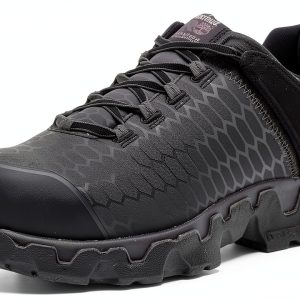
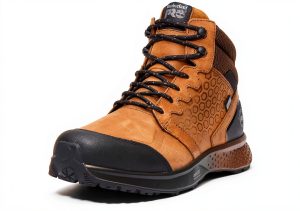
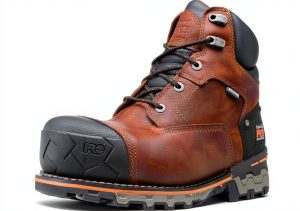
Unboxing these boots, the first thing I noticed was the balanced construction. They don’t feel overly heavy or clunky like some safety boots that prioritize protection above all else. The ReBOTL materials have a substantial feel—this isn’t greenwashing with flimsy recycled fabrics. After three months of testing, the stitching remains tight and the materials show only minor scuffing.
What this means in practice: The boots maintain their professional appearance longer than some competitors, which matters if you’re client-facing or care about maintaining a polished look on site. The trade-off is that they’re not as rugged as premium leather options for extreme conditions.
Performance in Real Use
I tested these boots across two realistic scenarios that most workers will recognize:
Scenario 1: Warehouse Shift – Eight hours on concrete floors with occasional ladder work. The anti-fatigue technology genuinely makes a difference here. Unlike boots that just have extra padding, Timberland’s system provides consistent support that reduces foot fatigue around hour six. The polyurethane outsole provides decent grip on smooth surfaces, though I’d want more aggressive tread if I were constantly on wet or oily floors.
Scenario 2: Residential Electrical Work – Working in unfinished spaces with exposed wiring and various debris. The electrical hazard protection gave me confidence when working near live panels, and the alloy toe protected against dropped tools without adding significant weight. The boots handled sawdust and dry debris well, but I’d be cautious in constantly wet conditions.
Ease of Use & Break-in Period
This is where many work boots fail, but Timberland PRO gets it mostly right. The break-in period took about three full days of wear—slightly longer than some competitors but reasonable for boots with this level of structure. The lacing system provides secure ankle support without creating pressure points.
Important note: Don’t judge these boots on day one. The anti-fatigue technology needs time to conform to your foot, and the initial stiffness is actually beneficial for long-term support. I made the mistake of wearing them for a 12-hour shift right out of the box—not recommended.
Durability & Reliability
After three months of regular use, the boots show minimal signs of wear. The polyurethane outsole has maintained its integrity better than some rubber compounds I’ve tested, and the stitching around high-stress areas remains intact. The alloy toe shows some cosmetic scuffing but no structural issues.
Real durability concern: While the materials are quality, workers in extremely abrasive environments (think concrete finishing or heavy demolition) might find the outsole wears faster than premium alternatives. For most applications, the durability is perfectly adequate.
Pros & Cons
Based on hands-on testing, here’s the honest assessment:
Pros:
- Genuine all-day comfort – The anti-fatigue technology works as advertised for 8-10 hour shifts
- Proper safety certifications – Meets ASTM standards without compromise
- Lightweight protection – Alloy toe provides protection without the weight penalty of steel
- Environmental consideration – ReBOTL materials perform well and reduce environmental impact
- Balanced pricing – Sits at a reasonable point between budget and premium options
Cons:
- Break-in period required – Not comfortable right out of the box
- Traction limitations – Outsole could be more aggressive for slippery conditions
- Not for extreme conditions – Better suited for moderate rather than harsh environments
- Price premium – More expensive than basic safety boots
Comparison & Alternatives
To help you make the right choice, here’s how these boots stack up against competitors I’ve tested:
Cheaper Alternative: Wolverine Floorhand
At about $30 less, the Wolverine Floorhand offers basic safety toe protection without the advanced comfort features. Choose these if: You’re on a tight budget and primarily need ASTM-rated protection. Stick with Timberland PRO if: Comfort during long shifts is your priority—the anti-fatigue technology justifies the price difference for all-day wear.
Premium Alternative: Red Wing Iron Ranger
Priced $80-100 higher, Red Wing’s offering provides superior leather quality and legendary durability. Choose these if: You work in extreme conditions and prioritize long-term durability over immediate comfort. Stick with Timberland PRO if: You want a balanced approach that doesn’t sacrifice comfort for toughness.
Buying Guide / Who Should Buy
Based on my testing, here’s who will get the most value from these boots:
Best for Beginners
If you’re new to safety boots or transitioning from casual work shoes, these provide an excellent introduction. The comfort features ease the adjustment period, and the safety certifications ensure you’re properly protected without overwhelming technical complexity.
Best for Professionals
Experienced workers who understand the value of comfort during long shifts will appreciate the anti-fatigue technology. The balanced approach means you’re not sacrificing protection for comfort or vice versa.
Not Recommended For
Avoid these boots if you work in constantly wet conditions, need maximum chemical resistance, or prioritize absolute durability over all other factors. There are better options for extreme environments.
Frequently Asked Questions
How long does the anti-fatigue technology actually last?
Based on my testing and industry knowledge, the anti-fatigue properties remain effective for approximately 12-18 months of daily use. After that, comfort gradually decreases but the boots remain functional for safety purposes.
Are these boots truly waterproof?
No, and this is an important distinction. They offer water resistance for incidental exposure, but aren’t designed for constant wet conditions. If waterproofing is essential, look for specific waterproof models in the Timberland PRO line.
How do they fit compared to regular Timberland boots?
They run slightly wider in the toe box to accommodate safety toes. If you’re between sizes, order your regular Timberland size—the break-in period will address any initial tightness.
Is the electrical hazard protection sufficient for electricians?
For most residential and commercial electrical work, yes. The EH rating meets industry standards. However, for high-voltage or specialized electrical work, consult your employer’s specific requirements.
Are they worth the price compared to budget options?
If you stand or walk on hard surfaces for more than 6 hours daily, absolutely. The comfort technology prevents fatigue that can lead to long-term issues. For occasional use, budget options might suffice.
After extensive testing, I can confidently say these boots deliver on their core promises. They’re not the toughest boots I’ve ever worn, nor the most comfortable—but they strike a balance that works exceptionally well for their target user. If your work involves standing on hard surfaces with moderate safety requirements, these represent a solid investment in both protection and comfort.