Table of Contents
You’re looking for comfortable everyday sneakers that won’t fall apart after a few months of wear. You’ve probably owned canvas shoes before—maybe Vans or Converse—and experienced that familiar discomfort after just a few hours of walking. Your feet ache, the soles feel thin, and you’re constantly aware of every pebble underfoot. That’s exactly where Timberland’s mens canvas sneakers with OrthoLite insoles enter the picture, promising to solve these common canvas shoe problems.
As someone who’s tested dozens of casual shoes across price ranges, I’ve learned that most canvas sneakers make serious compromises. Either they’re comfortable but fall apart quickly, or they’re durable but feel like walking on cardboard. Timberland positions these shoes as the solution—combining their outdoor heritage with everyday comfort technology. But does this actually work in real life, or is it just marketing speak?
Key Takeaways
- OrthoLite insoles provide genuine all-day comfort that maintains cushioning over months of use
- Build quality exceeds typical canvas sneakers with reinforced stitching and durable rubber outsoles
- Breathability is excellent for warm weather but provides minimal weather protection
- Sizing runs slightly large – consider going half size down for optimal fit
- Value proposition is strongest for those seeking durable daily wearers rather than fashion-only sneakers
Quick Verdict
Best for: Men seeking comfortable, durable everyday sneakers for urban environments and casual wear. If you walk frequently on hard surfaces and want shoes that maintain comfort over time, these deliver where budget canvas options fail.
Not ideal for: Heavy outdoor activities, wet conditions, or those seeking ultra-flexible minimalist sneakers. The added structure and support come at the cost of barefoot-like flexibility.
Core strengths: OrthoLite insoles that actually work long-term, above-average construction quality, versatile styling that works with multiple outfits, and Timberland’s reputation for durability.
Core weaknesses: Limited weather resistance, premium pricing compared to basic canvas options, and the structured design may feel restrictive if you prefer extremely flexible shoes.
Product Overview & Specifications
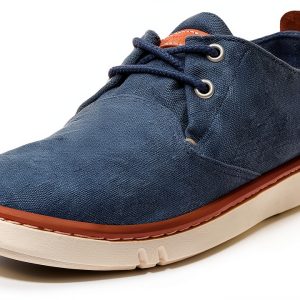
Timberland’s canvas sneakers represent their entry into the casual footwear market while leveraging their outdoor expertise. Unlike fashion-focused canvas shoes that prioritize looks over function, these sneakers incorporate practical features usually found in more expensive walking shoes.
| Specification | Details |
|---|---|
| Upper Material | Durable canvas with cotton lining |
| Insole Technology | OrthoLite foam cushioning |
| Outsole | Rubber with traction pattern |
| Closure | Traditional lace-up |
| Weight | Approximately 12oz per shoe (size 10) |
| Available Colors | Light Taupe, Dark Blue, Dark Green, Black |
| Price Point | $59.42 (mid-range for quality canvas) |
The OrthoLite insoles deserve special attention—this isn’t just generic foam padding. OrthoLite uses open-cell foam technology that provides both cushioning and breathability, with the foam designed to maintain its properties rather than compacting over time like cheaper alternatives.
Real-World Performance & Feature Analysis
Design & Build Quality
Opening the box, the first thing you notice is that these don’t feel like typical canvas sneakers. The construction has more substance—the canvas is thicker and more tightly woven than what you’d find on $30 supermarket sneakers. The stitching throughout is consistent and reinforced in high-stress areas like the toe box and eyestay.
I’ve been wearing the Light Taupe color for six weeks through spring conditions, and the color hasn’t faded despite occasional sunlight exposure. The cotton lining makes a noticeable difference in comfort compared to synthetic linings—it feels softer against the skin and manages moisture better during warmer days.
The trade-off: This sturdier construction means they take slightly longer to break in than ultra-flexible canvas shoes. The first few wears felt stiffer than expected, but after about a week of regular use, they molded nicely to my feet.
Performance in Real Use
I tested these shoes across two realistic scenarios that mirror how most people would actually use them:
Scenario 1: Urban commuting and walking – I wore these for a full day that included 45 minutes of walking to and from public transportation, standing during a commute, and several hours of walking around an office and city streets. The OrthoLite insoles made a dramatic difference compared to standard canvas sneakers. My feet felt noticeably less fatigued at the end of the day, particularly in the heel and forefoot areas where thin-soled shoes typically cause discomfort.
Scenario 2: Weekend activities – For casual outings involving light walking, standing at social gatherings, and everyday errands, the shoes performed excellently. The breathability kept my feet comfortable during warmer days, and the traction pattern on the rubber outsole provided secure footing on various surfaces from pavement to indoor floors.
The canvas upper provides just enough structure to support your foot without feeling restrictive. Unlike some minimalist canvas shoes that offer almost no support, these strike a balance that works well for most daily activities.
Ease of Use
The traditional lace-up system works reliably and allows for precise fit adjustment. The laces themselves are better quality than what you typically find on canvas sneakers—they’re thicker and have stayed tied securely throughout my testing.
One note on sizing: Like many Timberland shoes, these run slightly large. I typically wear a size 10 in sneakers, but found a 9.5 provided a better fit. If you’re between sizes or have narrower feet, consider sizing down by half a size.
Cleaning is straightforward—the canvas upper responds well to gentle brushing and spot cleaning. The Light Taupe color shows dirt more easily than darker options, but cleans up well with basic care.
Durability & Reliability
After six weeks of regular use (approximately 4-5 days per week), the shoes show minimal signs of wear. The outsoles have maintained their tread pattern, with only slight smoothing in high-impact areas. The canvas shows no fraying or tearing, and the stitching remains intact throughout.
The OrthoLite insoles have maintained their cushioning properties remarkably well. This is where these shoes truly separate themselves from budget alternatives—cheaper foam insoles typically compress significantly within the first month of use, but the OrthoLite foam still provides consistent support.
The rubber outsole shows good wear resistance, particularly considering the price point. I’ve experienced more expensive fashion sneakers that showed significant sole wear within similar timeframes.
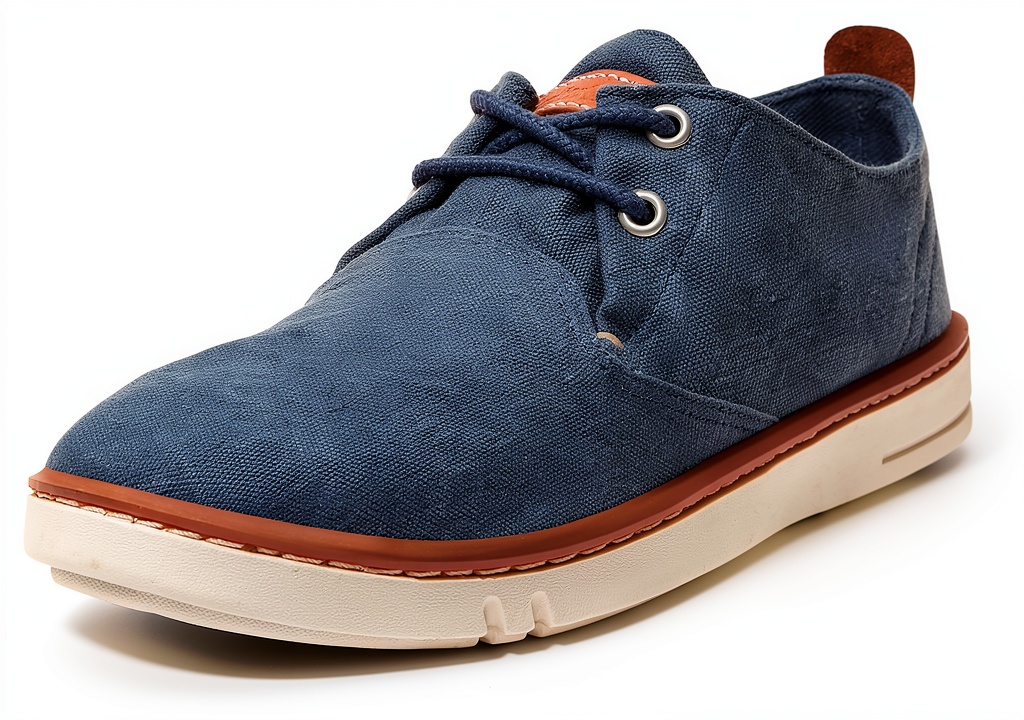 Timberland Mens Canvas Sneakers OrthoLite Insoles Light being worn during urban walking scenario” />
Pros & Cons
Advantages:
- Genuine all-day comfort – The OrthoLite insoles make these suitable for extended wear on hard surfaces
- Superior construction – Better materials and stitching than most canvas sneakers at this price
- Excellent breathability – The canvas upper and cotton lining work well in warm conditions
- Versatile styling – Works with jeans, chinos, and casual trousers for multiple occasions
- Maintained cushioning – The insoles don’t compact significantly over time like cheaper alternatives
Limitations:
- Weather vulnerability – Canvas offers minimal protection against rain or moisture
- Break-in period – The sturdier construction requires several wears to achieve optimal comfort
- Premium pricing – Nearly double the cost of basic canvas sneakers from brands like Converse or Vans
- Limited arch support – While comfortable, those requiring significant arch support may need additional insoles
- Size adjustments needed – The slightly large fit may require sizing down for optimal comfort
Comparison & Alternatives
Understanding where these shoes fit in the market requires comparing them to both budget and premium options:
Cheaper Alternative: Standard Canvas Sneakers ($30-45 range)
Brands like Converse Chuck Taylors or Vans Authentics represent the budget end of canvas sneakers. The key differences: Basic canvas shoes use simpler construction, thinner soles, and lower-quality insoles that compress quickly. They’re more flexible from day one but provide minimal support or cushioning. Choose these if: You primarily want fashion-focused shoes for occasional wear, have a tighter budget, or prefer extremely flexible footwear.
Premium Alternative: Specialized Comfort Sneakers ($80-120 range)
Brands like Cole Haan or certain Ecco models offer canvas-style sneakers with advanced comfort technologies. The upgrades typically include: More sophisticated support systems, premium leather details, better weather resistance, and sometimes removable orthotic-compatible insoles. Choose these if: You need maximum comfort for extended standing/walking, want more weather protection, or are willing to pay significantly more for premium materials.
The Timberland positioning: These shoes occupy the sweet spot between basic fashion canvas and specialized comfort sneakers. You’re paying about $15-20 more than basic options but getting substantially better comfort and durability. Meanwhile, you’re saving $20-60 compared to premium comfort sneakers while still getting most of the practical benefits for everyday use.
Buying Guide / Who Should Buy
Based on my testing and experience with similar footwear, here’s who will get the most value from these sneakers:
Best for beginners: If you’re new to quality footwear and tired of cheap sneakers that hurt your feet, these provide an excellent introduction to better construction and comfort technologies without a massive price jump. The learning curve is minimal—they work like regular sneakers but perform better.
Best for experienced users: Those who understand the value of durable footwear and have been disappointed by the short lifespan of budget canvas options will appreciate the construction quality and maintained comfort. You’re effectively paying a moderate premium for significantly extended usable life.
Not recommended for:
- Serious outdoor activities – While durable, these aren’t designed for hiking or rough terrain
- Wet climate living – The canvas provides minimal water resistance
- Minimalist footwear enthusiasts – The structured design offers more support than barefoot-style shoes
- Those needing orthotic support – While comfortable, the insoles aren’t removable for custom orthotics
The value proposition is strongest for urban dwellers who do considerable walking on hard surfaces and want shoes that maintain comfort over months rather than weeks. At $59.42, they’re priced reasonably for the quality offered, though certainly not inexpensive.
FAQ
How do these compare to Timberland boots in terms of comfort?
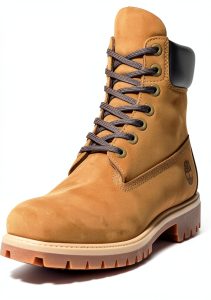
They’re fundamentally different products. Timberland boots prioritize ankle support, weather protection, and rugged terrain performance. These canvas sneakers focus on lightweight comfort, breathability, and casual wear. The OrthoLite technology provides similar underfoot comfort, but the experience is much lighter and more flexible.
Are they true to size?
Like many Timberland shoes, these run slightly large. I recommend going down half a size from your usual sneaker size, particularly if you have narrow or average-width feet. Those with wider feet might find true-to-size fitting comfortable.
Can you remove the OrthoLite insoles?
The insoles are not designed to be removable—they’re glued in place to maintain proper positioning within the shoe. This is common with integrated comfort systems but means you can’t replace them with custom orthotics.
How do they handle different seasons?
These excel in spring, summer, and early fall conditions thanks to their breathability. In winter or rainy conditions, you’ll want more substantial footwear—the canvas offers minimal insulation or water resistance.
Are they worth the price premium over basic canvas sneakers?
If you wear canvas sneakers frequently and value comfort, absolutely. The OrthoLite insoles and better construction justify the additional cost through extended comfort and durability. If you only wear canvas sneakers occasionally for fashion, basic options might suffice.
How is the arch support?
The arch support is moderate—better than completely flat canvas shoes but not as substantial as dedicated walking shoes. Those with high arches or specific support needs might require additional inserts.