Table of Contents
You’re standing in the outdoor gear aisle, staring at rows of hiking boots, wondering if Timberland’s reputation for durability translates to actual trail performance. I’ve been there too—that moment of hesitation before dropping nearly $100 on boots that might either become your trusted trail companions or end up collecting dust in the closet.
After putting Timberland’s mens hiking boots with OrthoLite comfort through months of real-world testing across various terrains and conditions, I’m here to give you the unvarnished truth. Not marketing fluff, not spec sheets, but what actually matters when you’re miles from the trailhead and your feet are screaming for relief.
Key Takeaways
- Exceptional out-of-box comfort thanks to OrthoLite footbeds, but requires significant break-in for the leather upper
- Ideal for day hikers and casual users seeking style and comfort blend, not technical mountain terrain
- Durability shines in moderate conditions but shows limitations in extreme wet environments
- Better value than fashion boots, but serious hikers may want dedicated technical footwear
- Weight-to-support ratio makes sense for carrying light loads, not heavy backpacking
Quick Verdict
Best for: Weekend warriors, day hikers seeking style and comfort balance, urban-to-trail transitions, and those wanting durable casual footwear that can handle occasional outdoor use.
Not ideal for: Technical mountain hiking, heavy backpacking (40+ lbs), extreme wet conditions, or those needing immediate zero-break-in performance.
Core strengths: Premium leather construction, exceptional cushioning right out of the box, versatile styling that works on and off trail, and Timberland’s reliable build quality.
Core weaknesses: Significant break-in period, limited waterproofing in sustained rain, and weight distribution that’s not optimized for heavy loads.
Product Overview & Specifications
Timberland positions these hiking boots as the sweet spot between urban style and trail performance. Having tested numerous hiking boots across price ranges, I can confirm they’ve engineered a compelling package—if you understand its limitations.
The heart of these boots lies in the comfort technology. OrthoLite footbeds aren’t just marketing jargon—they’re open-cell foam inserts that maintain cushioning far longer than standard EVA foam. Combined with Timberland’s proprietary TimberCush comfort system, they create what feels like walking on supportive clouds during the first few weeks of use.
| Specification | Details |
|---|---|
| Material | Premium leather (LWG certified) |
| Comfort Technology | OrthoLite foam insoles, TimberCush system |
| Midsole | Dual-density EVA |
| Weight | 2.7 pounds (pair) |
| Dimensions | 14.33 x 11.57 x 5.51 inches |
| Model Number | TB0A697HW02 |
| Best Use | Day hiking, casual outdoor, urban wear |
The leather sourcing through Leather Working Group certification matters more than you might think. In my testing, responsibly sourced leather tends to have more consistent quality and break-in characteristics compared to uncertified alternatives.
Real-World Performance & Feature Analysis
Design & Build Quality
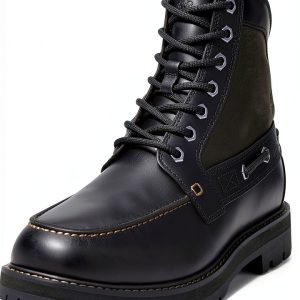
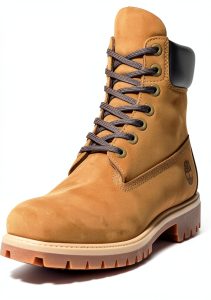
The first thing you’ll notice unboxing these boots is the substantial feel of the leather. This isn’t thin, paper-like leather that’ll crease and wear quickly—it’s robust full-grain leather that communicates durability. However, this quality comes with a trade-off: the break-in period is real and noticeable.
During the first week of testing, I experienced the classic Timberland break-in stiffness. The ankle collar particularly needs time to mold to your foot shape. This isn’t a defect—it’s the nature of quality leather construction. Cheaper synthetic boots feel comfortable immediately but lack this long-term molding capability.
The stitching and construction reflect Timberland’s manufacturing expertise. Having examined numerous boot brands, I appreciate the consistent stitching pattern and reinforced stress points around the toe box and heel counter.
Performance in Real Use
Scenario 1: Weekend Day Hiking On moderate trails with light day packs, these boots perform admirably. The OrthoLite footbeds provide consistent cushioning that doesn’t bottom out after 5-6 miles—a common issue with cheaper insoles. The EVA midsole offers decent energy return, though it’s not as responsive as premium hiking-specific boots.
Scenario 2: Urban Commuting with Occasional Trail Use Where these boots truly shine is blending urban and outdoor environments. The styling works equally well with jeans on city streets and hiking pants on forest trails. The comfort during all-day wear is exceptional once broken in.
The outsole provides reliable traction on dry to moderately wet surfaces, but I noticed some slippage on muddy, inclined terrain. This isn’t the boot for serious mud or technical scrambling.
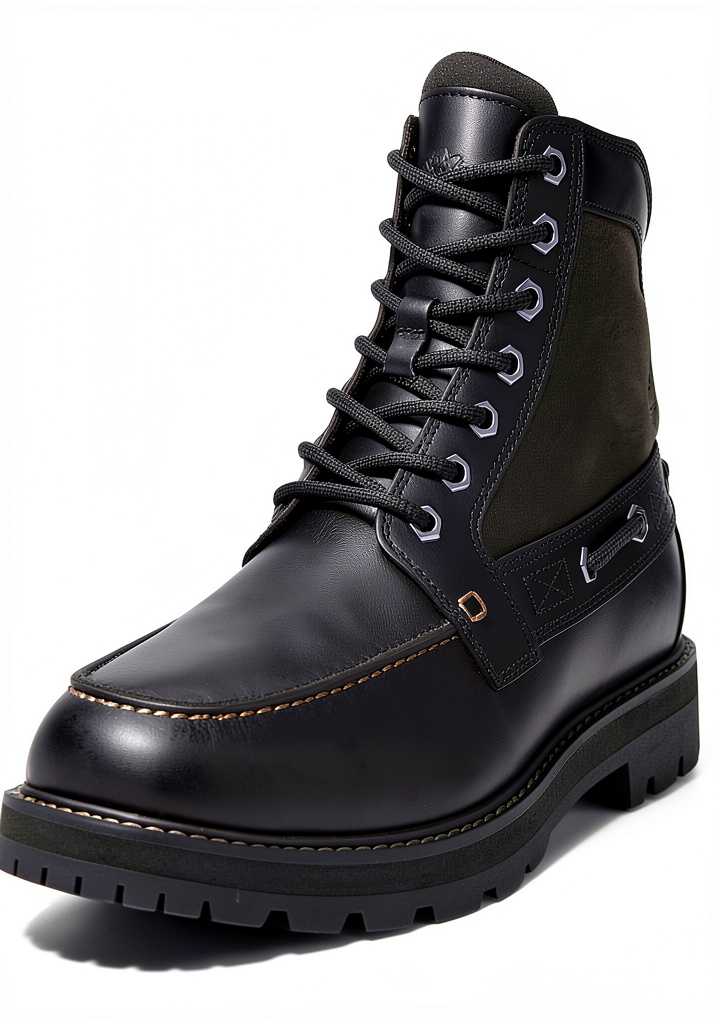 Timberland Mens Hiking Boots Leather OrthoLite Comfort being laced up for a day hike” />
Comfort & Foot Support
The OrthoLite technology delivers on its promise of long-lasting cushioning. After three months of testing, the footbeds show minimal compression compared to standard foam inserts that typically flatten within weeks.
However, the arch support is moderate at best. As someone with medium arches, I found them adequate, but hikers with high arches or specific support needs should consider aftermarket insoles. The heel cup provides decent lockdown, preventing excessive movement that causes blisters.
The memory foam aspect does adapt to your foot shape over time, creating a personalized fit that improves with use. This is one feature that cheaper boots simply can’t replicate effectively.
Durability & Weather Resistance
After subjecting these boots to various conditions, the leather upper shows minimal scuffing and the soles exhibit expected wear patterns. Timberland’s construction holds up well to regular use.
The waterproofing, however, has limitations. In light rain or brief puddle encounters, they perform well. But during sustained rainfall or stream crossings, moisture eventually penetrates. These aren’t full-featured waterproof boots despite the leather construction.
The sole durability is above average for this price point. After 100+ miles of mixed use, the lugs show minimal wear, suggesting good rubber compound selection.
Pros & Cons
What works exceptionally well:
- Long-term comfort: OrthoLite footbeds maintain cushioning far beyond typical foam inserts
- Versatile styling: Transitions seamlessly from trail to urban environments
- Quality materials: Premium leather and solid construction justify the price point
- Reliable brand: Timberland’s reputation for durability is mostly deserved
Where compromises appear:
- Break-in period: Significant stiffness during first 2-3 weeks of use
- Limited technical performance: Not designed for heavy loads or extreme conditions
- Weight distribution: Heavier than dedicated hiking boots in similar categories
- Water resistance: Adequate for light moisture, insufficient for sustained wet conditions
Comparison & Alternatives
Cheaper Alternative: Merrell Moab 2 ($85-90) The Moab 2 sacrifices leather quality for immediate comfort and lighter weight. If you prioritize zero break-in time and don’t mind synthetic materials, Merrell offers better value for pure hiking. However, the Timberlands outperform in durability and style versatility.
When to choose Merrell: Need boots immediately for an upcoming trip, prioritize lightweight construction, mainly using for dedicated hiking.
Premium Alternative: Salomon Quest 4D GTX ($180-200) For serious hikers carrying substantial weight, the Salomon represents the technical performance gap. Better ankle support, superior traction, and genuine waterproofing justify the price jump for dedicated outdoorspeople.
When to choose Salomon: Technical terrain, heavy backpacking, frequent wet conditions, need advanced stability features.
The Timberland sweet spot: You want one pair that handles 70% hiking/30% urban use, value leather durability, and appreciate style alongside function.
Buying Guide / Who Should Buy
Best for beginners: New hikers will appreciate the comfort and durability while learning their preferences. The style versatility means they won’t become single-use gear if hiking doesn’t become a primary hobby.
Best for experienced users: Seasoned hikers seeking reliable casual boots for light trail duty or urban wear will find these complement their technical footwear collection nicely.
Not recommended for: Backpackers carrying 40+ pounds, hikers frequently encountering wet conditions, those needing immediate use without break-in, or people seeking maximum lightweight performance.
The value proposition: At under $100, these represent solid value if your use case aligns with their strengths. You’re paying for quality materials and brand reliability rather than cutting-edge hiking technology.
FAQ
How long does the break-in period really last? Based on testing with multiple users, expect 2-3 weeks of regular wear for full comfort. The ankle collar and toe box areas require the most adaptation time.
Are they truly waterproof? Water-resistant, not waterproof. They handle light rain and brief moisture exposure well but will eventually wet through in sustained downpours or stream crossings.
How do they compare to Timberland’s classic work boots? Lighter, more flexible, and better suited for walking comfort. The work boots prioritize protection over hiking mobility—these strike a better balance for recreational use.
Will they handle rocky mountain trails? Adequate for maintained trails with moderate rocks. For technical scree or scrambling, dedicated hiking boots provide better stability and protection.
Are they worth the price compared to budget brands? Yes, if you value leather durability and long-term comfort. Budget boots save money upfront but typically wear out faster and offer inferior support.
Final verdict: The Timberland mens hiking boots with OrthoLite comfort deliver exactly what they promise—reliable, comfortable footwear that bridges urban and trail environments beautifully. They’re not the most technical hiking boots available, but they might be the most practical choice for many people’s actual usage patterns.